Every week someone asks us the same question. “When is the best time to come?” The honest answer depends on what you want: dry roads and easy game viewing, lower prices, or a shot at the river crossings. This guide covers Kenya safari weather by month, so you can match your trip to what actually matters to you.
We run trips here year-round, so this isn’t theory. It’s what our guides see on the ground in the Mara, Amboseli, and along the coast.
Kenya’s Two Rainy Seasons vs. Dry Season
Kenya has one long dry season and two rainy ones. The long rains fall from mid-March through May. The short rains arrive in November and often spill into early December. Everything else, roughly June through mid-March, stays mostly dry, with July and August as the coolest, driest stretch of the year.
That said, “rainy season” in Kenya rarely means all-day downpours. Most rain falls in short afternoon or evening bursts, then clears. Mornings are often bright even in April. The exception is the peak of the long rains in April, when some roads genuinely become hard to pass.
Kenya Safari Weather by Month: A Full Breakdown
Below is a snapshot for the Masai Mara and Nairobi highlands, which cover most first-time itineraries. Figures are indicative averages, since Kenya’s weather varies year to year.
| Month | Season | Avg Rainfall (Mara) | Daytime Temp | Notes |
|---|---|---|---|---|
| January | Short dry spell | 40-60mm | 27-29°C | Warm, mostly dry, good visibility |
| February | Short dry spell | 30-50mm | 28-30°C | Driest month, hot afternoons |
| March | Start of long rains | 70-100mm | 27-28°C | Rain builds through the month |
| April | Long rains peak | 150-200mm | 25-26°C | Heaviest rain, some roads wash out |
| May | Long rains tapering | 100-140mm | 25-26°C | Green, quiet, fewer vehicles |
| June | Early dry season | 30-50mm | 24-25°C | Grass still lush, mornings cool |
| July | Peak dry season | 15-30mm | 22-24°C | Coldest month, dawn drives need a jacket |
| August | Peak dry season | 15-25mm | 23-25°C | Migration crossings likely |
| September | Peak dry season | 20-30mm | 25-26°C | Excellent visibility, herds still around |
| October | Late dry season | 30-40mm | 26-27°C | Warming up, herds start moving south |
| November | Short rains | 80-110mm | 26-27°C | Rain returns, landscape greens fast |
| December | Short rains tapering | 50-80mm | 27-28°C | Rains usually ease by mid-month |
July is the month our guides reach for fleece jackets before sunrise. At 6:30am in the Mara, temperatures can drop to 8-10°C, even though the afternoon warms up nicely.
Best Time for the Great Migration
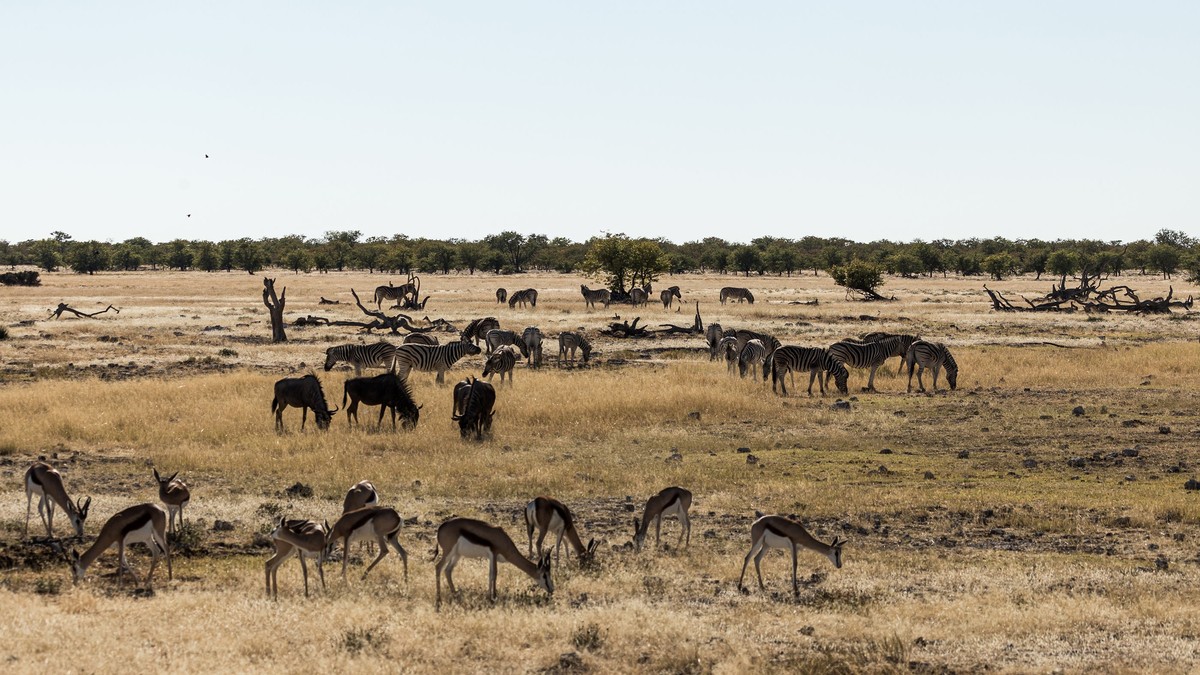
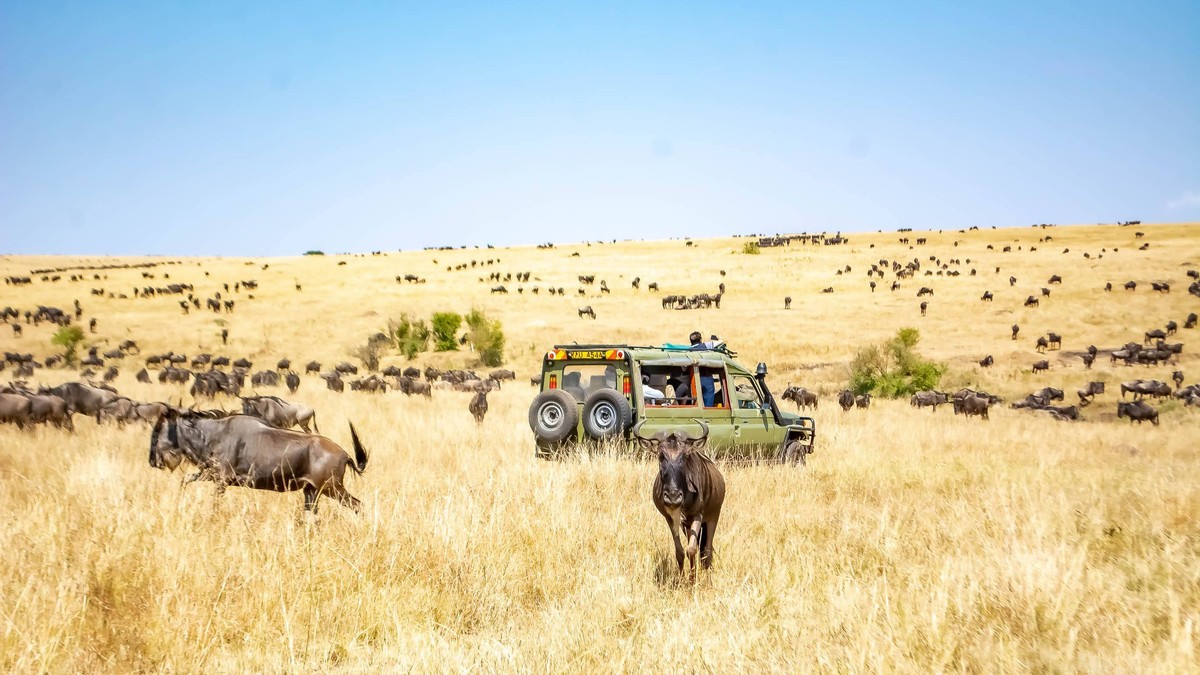
The wildebeest migration is the single biggest driver of Kenya safari bookings, and its timing shifts every year based on rainfall in Tanzania. As a general pattern, herds start crossing the Mara River from the Serengeti in late July. Crossings continue through August and September, when the Mara Triangle and Mara North Conservancy see the heaviest concentrations of animals. By late October or November, most herds have started drifting back south.
If river crossings are your priority, aim for the first two weeks of September. That’s when we see the highest number of crossing attempts at Mara River spots like Lookout Hill and Purungat.
Regional Weather Variation
Kenya is bigger than most first-time visitors expect, and weather changes a lot by region.
The Masai Mara and central highlands, including Nairobi, follow the pattern in the table above. The coast, around Diani and Mombasa, runs hotter and more humid year-round, with its own heavier rain window from April into early June. Coastal temperatures rarely dip below 24°C, even at night.
Northern Kenya, home to Samburu National Reserve and Lewa Conservancy, is drier overall. Rain there is lighter and less predictable, so the dry season game viewing window stretches a bit longer, often into early November.
Rainfall also affects wildlife beyond the Mara. Up in the Rift Valley, water levels shift bird numbers between lakes, and it’s worth reading about how rainfall shifts flamingo numbers between Bogoria and Nakuru before you decide which lake to add to your route.
Best Time by Park or Region
Different parks reward different months. Amboseli, in the shadow of Kilimanjaro, is at its best in the dry season, when elephants gather around the swamps as the surrounding bush dries out. If you want to see the big bulls, September and October are our top picks for the best months to spot Amboseli’s super tuskers, when clear skies also give you the best chance of a snow-capped Kilimanjaro backdrop.
Tsavo East and West stay good almost year-round, but the dry months make animals easier to find near permanent water. Lake Nakuru and Lake Naivasha are strong picks any time, since their draws are resident wildlife and birdlife rather than migration timing.
Crowds, Pricing, and Shoulder Season Trade-offs
Here’s where being honest matters. High season in the Mara, roughly July through October plus the December holidays, means full camps, more vehicles at sightings, and top rates. Shoulder months, especially November and April to May, mean smaller crowds and noticeably lower prices, with a real trade-off in road conditions.
| Season | Months | Mara North Conservancy Tented Camp (per person/night) | Road Conditions |
|---|---|---|---|
| High season | Jul-Oct, mid-Dec-early Jan | USD 650-900 | Dry, all roads open |
| Shoulder | Nov, Jun | USD 480-620 | Mostly good, occasional short showers |
| Low season | Apr-May | USD 420-550 | Wetter, some black-cotton roads slow |
The road detail matters more than most sites mention. In April, the Mara Triangle’s black cotton soil, west of the Mara River, gets sticky and can trap vehicles after heavy rain. Mara North Conservancy and Naboisho Conservancy sit on more free-draining red soil to the north, so they usually stay drivable even during a wet week. If you’re booking April or May to save money, we steer clients toward those conservancies rather than the Triangle.
Demand keeps climbing too. If you want the bigger picture on why rates have been moving, our post on how seasonal demand is driving safari prices up in 2026 covers it in detail.
Park fees add up separately from camp rates. Expect roughly USD 70-80 per person per day for the Masai Mara National Reserve, and around USD 60 per person per day for Amboseli National Park, with slightly higher rates typical in peak months. Treat these as indicative figures, since county and KWS fees do change.
Packing Tips by Season
Pack layers no matter when you travel. Mornings on an open-sided game drive vehicle are cold even in the hottest months, and July mornings genuinely require a warm jacket and gloves.
For the dry season, bring dust-resistant clothing, a hat, and strong sunscreen. For the rainy months, add a light rain jacket, waterproof shoes, and a dry bag for your camera gear. Coastal add-ons should be lighter and looser, since the humidity there sits well above what you’ll feel inland.
How Far in Advance to Book
For July through October, book six to nine months out. Camps in Mara North and Naboisho, the smaller conservancies with limited beds, sell out first. For shoulder months like November or April, six to eight weeks is often enough, and you’ll have more room to negotiate on rates.
The Valley Safaris Difference
We’re based in Nairobi and our guides are in the field every week, not reading forecasts from an office overseas. That means when you ask us about April road conditions in the Mara Triangle, or whether the short rains have started early this year, you get an answer from someone who drove those roads last week.
We also plan around weather honestly. If a shoulder month gets you 85 percent of the sightings at 60 percent of the price, we’ll tell you that straight, and help you pick the conservancy where the roads still hold up.
Plan Your Trip with Valley Safaris
Weather timing is only one piece of a good safari. Once you know your season, we can help you match it to the right parks, camps, and route. Get in touch through our contact page and we’ll build a plan around the month that works for you.